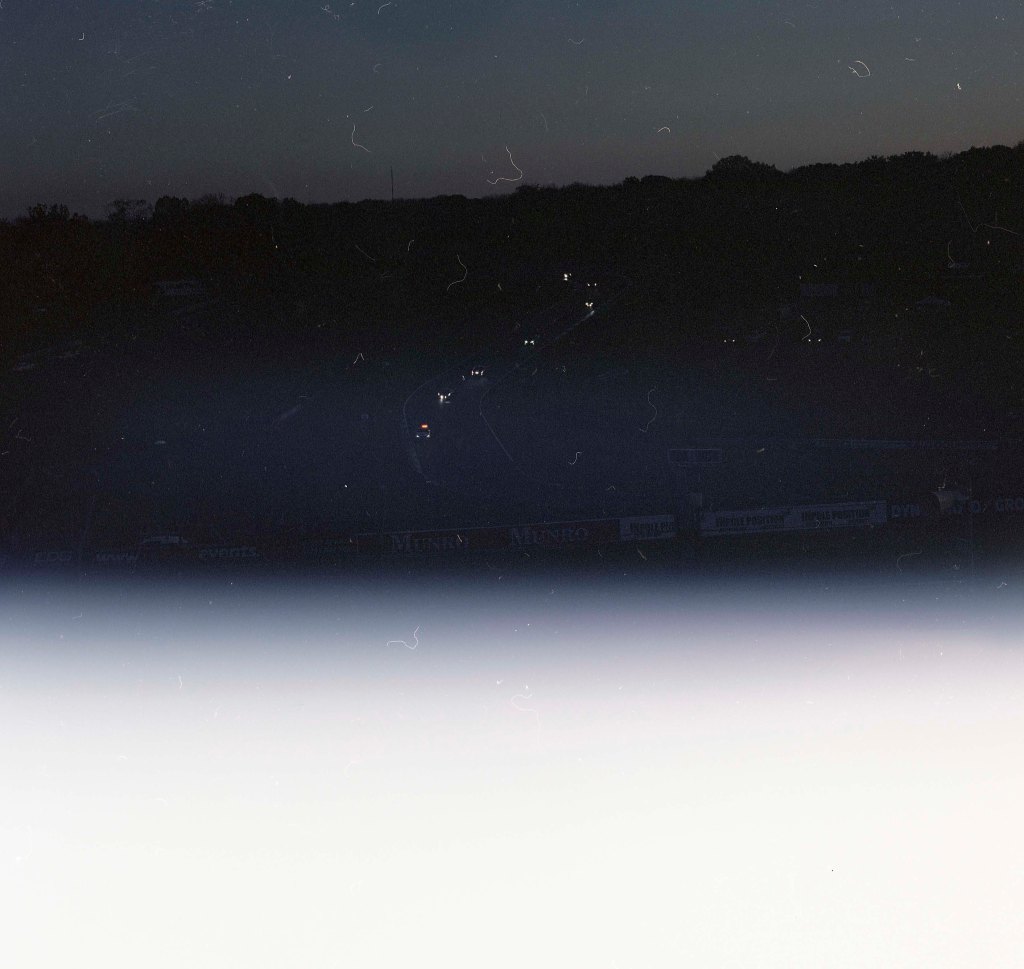
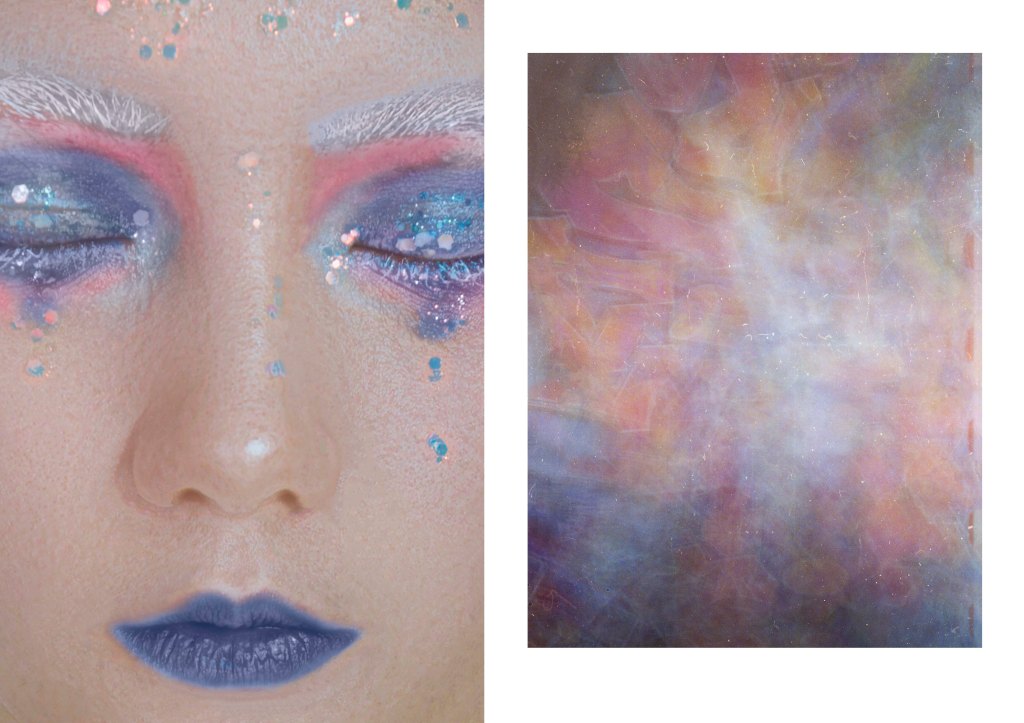
In my project, personal life experiences and emotional feelings are the motivation for my shooting. I noticed some details in the dark room and some film. Most of them were thrown away because people flushed wrong. I think there is still some emotion and memory in these negatives, so I scanned and enlarged them. After scanning, I found that with the exception of most of the negatives that had completely disappeared, most of the negatives had residues-one part was black or white and the other part was visible. Those incomplete images are like people’s memories. Even if people try to remember the past, they still cannot recall all the full details. As time passed, they gradually faded into the only remaining mark.
Some of these discarded films will be part of my project. They will be combined with my portrait work to express the same theme together.
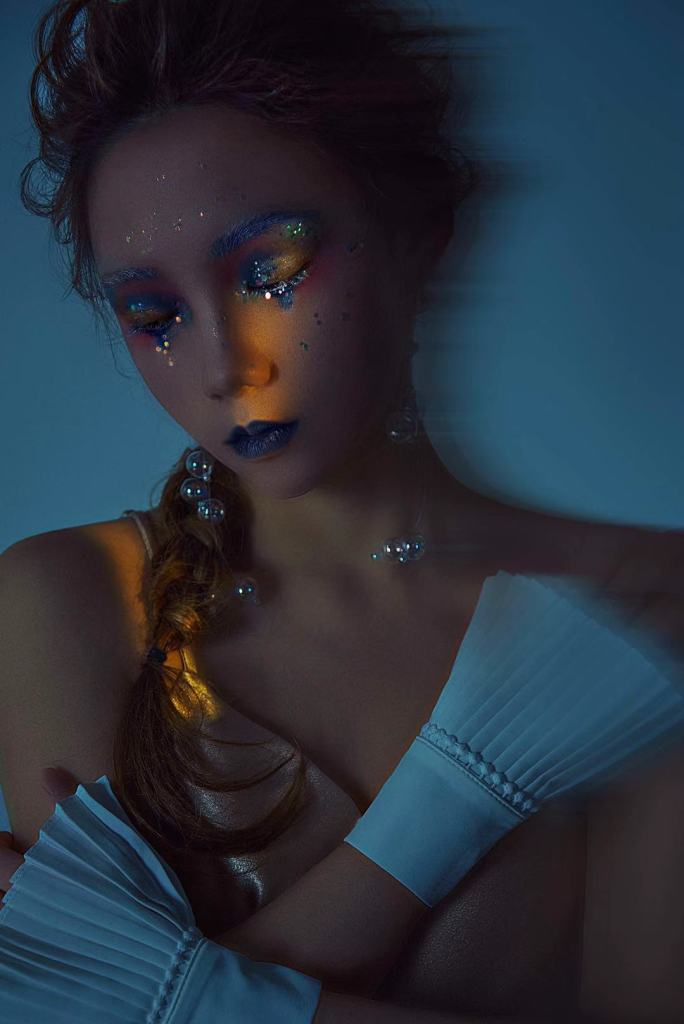
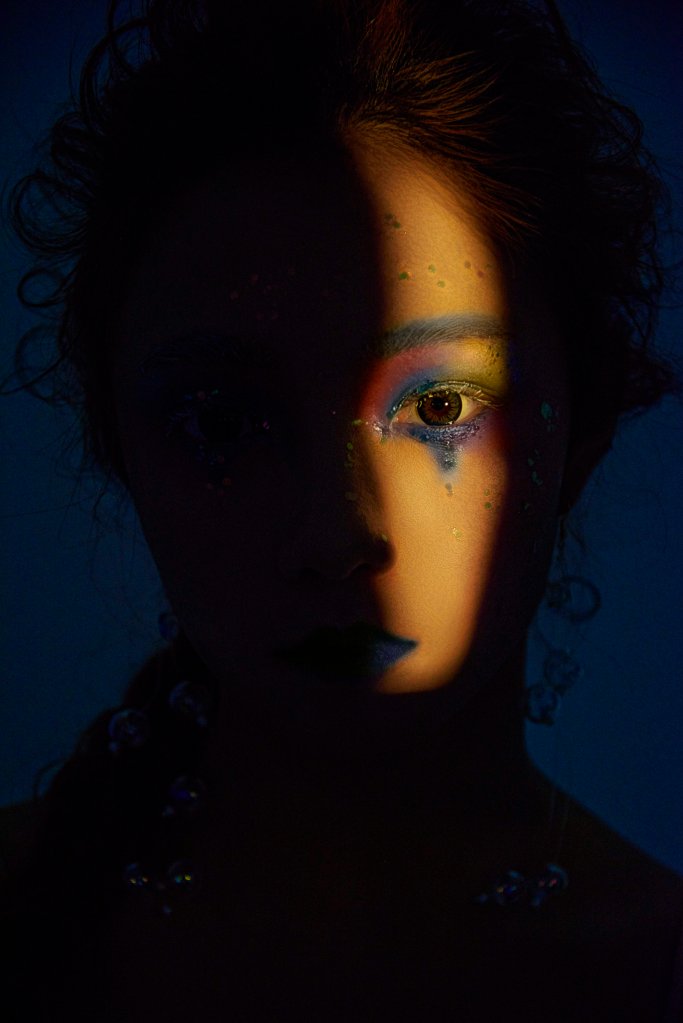
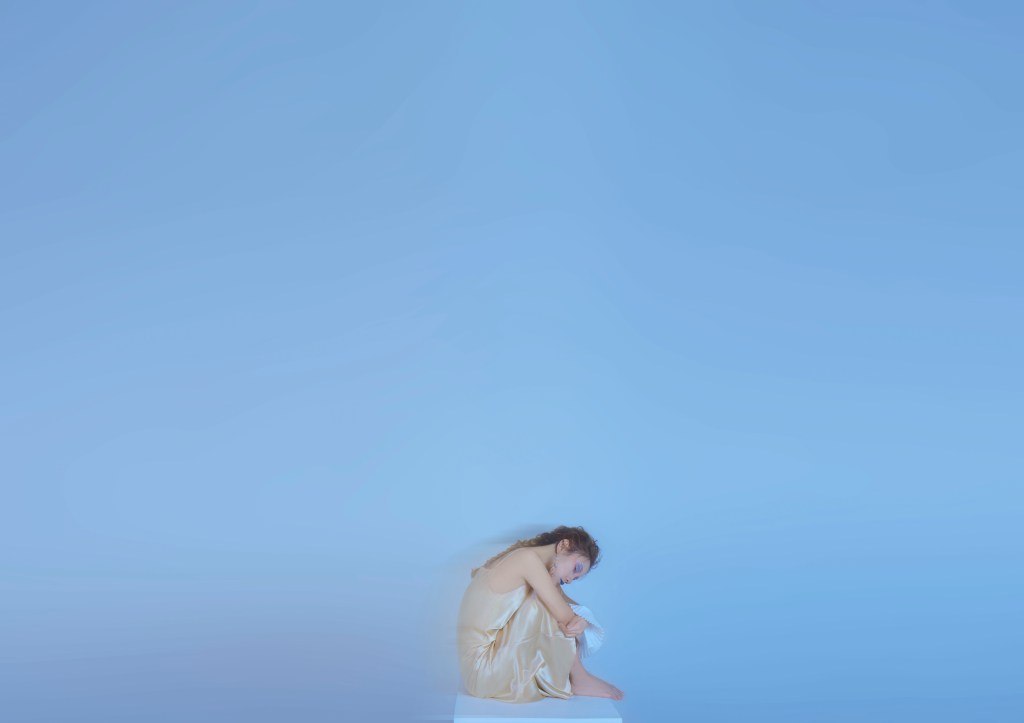
It was quite a challenge for me to go to a strange country alone. At first, my heart was full of anxiety. I am eager to reveal my loneliness to others. ” wander me lost” is based on my mood and memory at that time. The color of the whole work is dark and the color temperature is cold. I placed the model in an empty space and let her body curl up or hold on to certain objects (such as pillows) for a bit of security. Her eyes are empty or deliberately away from the camera, creating an atmosphere of loneliness and helplessness. Her eye makeup is heavily colored and meticulously painted, with blue eyeshadow and sequins sliding down her eyes to symbolize her tears. Her dress was a long nightgown with a sling, and her earrings were like transparent foam, indicating that she was going through a long, sad dream.
I used a combination of flash and low shutter speed, and immediately moved the camera as I shot to make the photo appear as a virtual and real overlapping image, which represented extreme anxiety. At the same time, I used LED modeling lights to adjust the light of the picture part to make the whole picture darker, and the light on the face was bright and warm. Emphasis is placed on the details of the eyes, accentuating the atmosphere of sadness and loneliness. I combined the remaining negatives of the same or similar colors with this set of works so that the two sets of pictures can better echo each other. Visually, overlapping portraits and incomplete images have blurred visual effects, symbolizing that memory fades with the passage of time, presenting an atmosphere of loss and loneliness.
Part of the work :
‘who wander me lost‘‘who wander me lost‘‘who wander me lost‘‘who wander me lost‘
“I feel that coming to Okinawa is not coming to Okinawa, but to return to Japan, returning to Tokyo is not returning to Tokyo, but to the United States. ——Shomei Tomatsu
Shomei Tomatsu conveyed these psychological traumas of nations and individuals through photography, deeply felt the major changes brought about by a series of events such as the US military stationed in Japan and its legacy U.S. military bases, and spent more than 20 years exploring this with a camera For Shomei Tomatsu, the use of photography to restore these experiences is far more convincing than language.
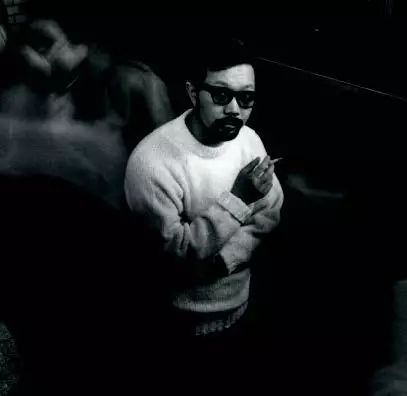
Shomei Tomatsu
Shomei Tomatsu was born in Nagoya, Aichi, Japan, and entered the Nagoya School of Engineering and Science at the age of 12 with a major in electronics (he graduated in 1946). During the war, students’ class hours were not fixed. In 1944, he worked as an apprentice in a steel mill to manufacture apprentices and manufacture aircraft parts. According to Shomei Tomatsu, he only went to the shelter once during the air strike, and later chose to stay in his room and watch the fire in the distance through the mirror. After the war, he began stealing vegetables from the farm in exchange for his mother’s kimono. Because of the influence of the militaristic spirit, he had a generation gap with his parents since he was a child. In addition, his parents refused to give him food in the winter of 1945-1946, and they could only survive by stealing.
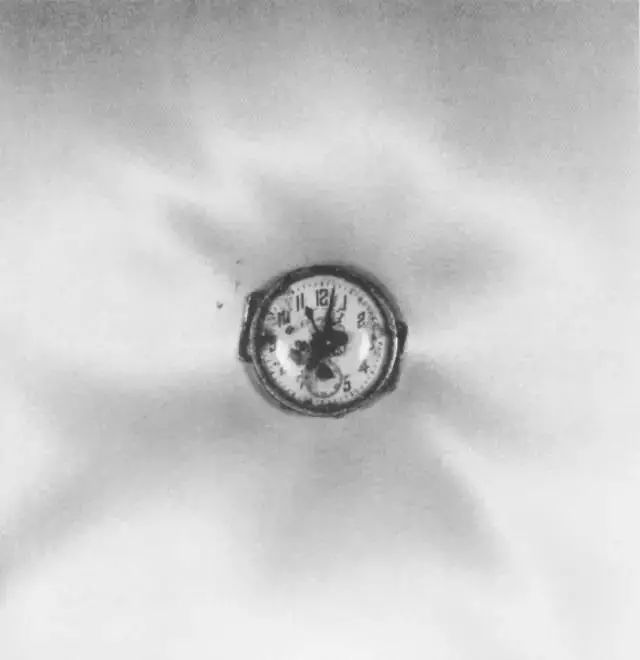
In 1961, the Japan Anti-Atomic Bomb and Hydrogen Bomb Committee published the “Hiroshima-Nagasaki Record of 1961”, which included a series of photos related to Nagasaki by Shomei Tomatsu. Shomei Tomatsu received this shooting project in 1960, and continued to follow the survivors of the Nagasaki Atomic Bomb after the book was published, showing their tragic body deformity caused by radiation. In 1966, Shomei Tomatsu published its own collection of atomic bomb photography series “Nagasaki at 11:02”, which symbolizes the damage caused by the atomic bomb with a series of things such as stopped watches.
“11:02” Shomei Tomatsu ——The Nagasaki Atomic Bombing (August 9, 1945), a watch forever stopped at the moment of 11:02 AM. Tomatsu took this masterpiece 16 years after the Nagasaki Atomic Bomb.
John Sakowski, the godfather of contemporary photography in the United States, commented:
“Shomei Tomatsu has established the standards for young Japanese photographers to measure their existence through the concepts, styles, and methodologies of his works … In his photography, the nominal subject becomes more mundane and sometimes even worthless, The photos themselves have turned into sharper and richer records of their intuitive responses to their life experiences. “
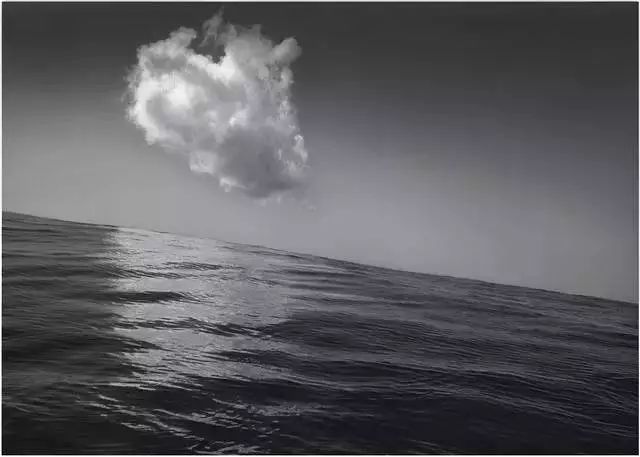
Even if the times are far away and the pain has been deliberately erased, the pulse of history is enough to run through one’s life. The emotion and memory of history made Shomei Tomatsu turn grief into a force. For example, in this picture titled “Untitled”, a cloud floats over the ocean like a balloon. This is one of a series of photographs “Pencil of the Sun” taken by Shomei Tomatsu in 1971. The solitary cloud casts a small shadow on the calm sea above the empty sky. Everything seemed calm, and at the same time danger was hidden beneath the sea.
Untitled, from the series pencil of the sun Shomei Tomatsu
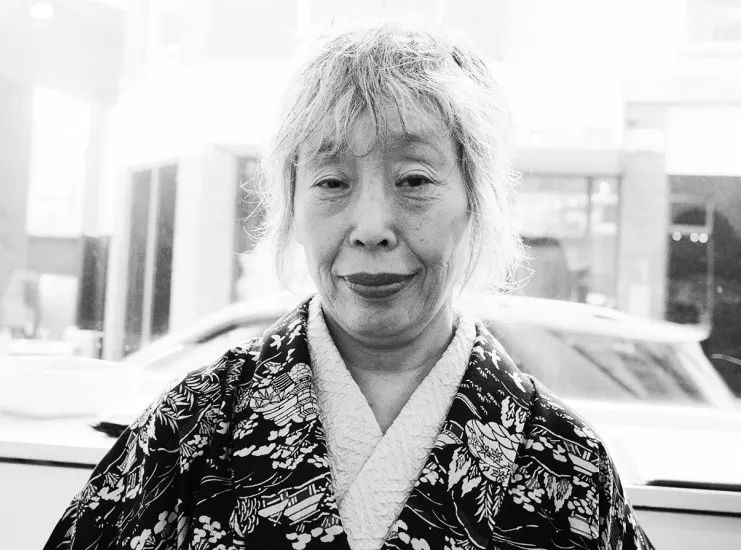
Miyako Ishiuchi, she was a post-war photographer of Japan. She rose up in the 1960s and 1970s with Moriyama Avenue and Araki. She is the third master of the Hasselblad International Photography Awards in Japan and the first female photographer in Asia to receive the award.
Miyako Ishiuchi
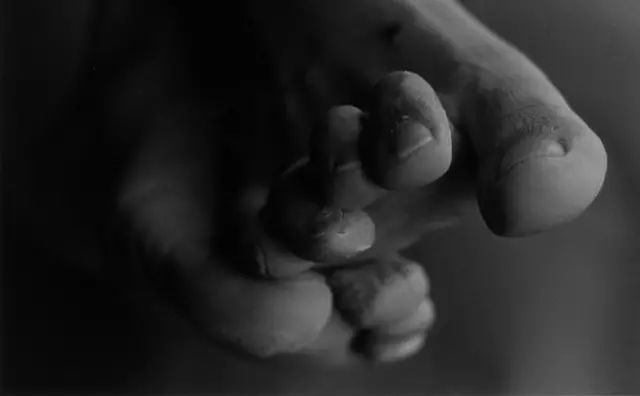
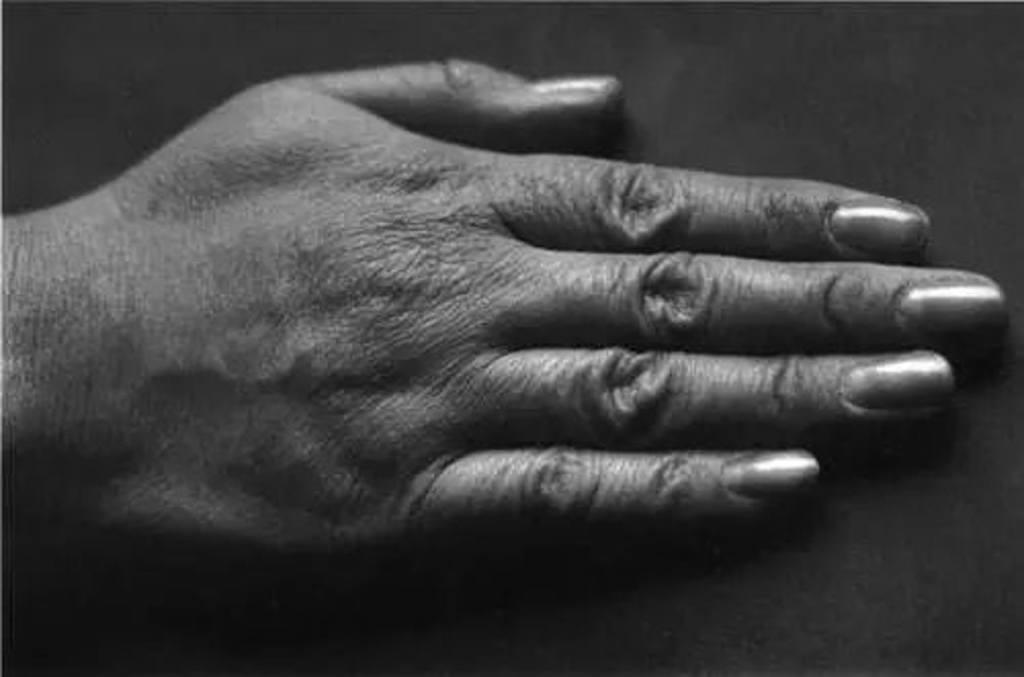
“When I saw the hands and feet of those people, I was very, very moved, whether the hands or the soles of the feet, are the end of the body, it can be said to be the ugliest part of the body, but it is also a full and strict In the place where time and the outside world breathe, the blisters and cocoons on the feet are the condensing point of time and history on that person. I just want to take a good look at these things that people don’t want to touch and see.”——Miyako Ishiuchi
When Miyako Ishiuchi was 40 years old, she started thinking about where time had gone. She realizes that there is time left on people’s hands and feet. So she photographed the hands and feet of 50 women of the same age as her 40. These photographed Japanese women have different occupations, but the same is that their vicissitudes of hands, feet, and faces all show signs of years. Miyako Ishiuchi thinks that the body is just a container that bears time. Unconsciously, it contains the traces of time.
Miyako Ishiuchi《1.9.4.7》
When I saw this group of photos, I was shocked. The delicate traces of human skin, including calluses and dead skin on the soles of the feet, have been magnified, full of the trajectory of life. I think these photos have the power to reverse the whole and the part and the beauty and the ugliness in an instant.
Miyako Ishiuchi《1.9.4.7》
By watching the pictures she took, I began to think about my viewing relationship with others. As she said, human beings cannot see everything in the body. Even the self in a mirror or photo is just a virtual image of refraction. And when others look at you, parts of your body will be magnified infinitely. From a certain perspective, “others” may be able to see themselves more clearly.
Her other series also made me feel a lot, which is the “Mother’s” series.
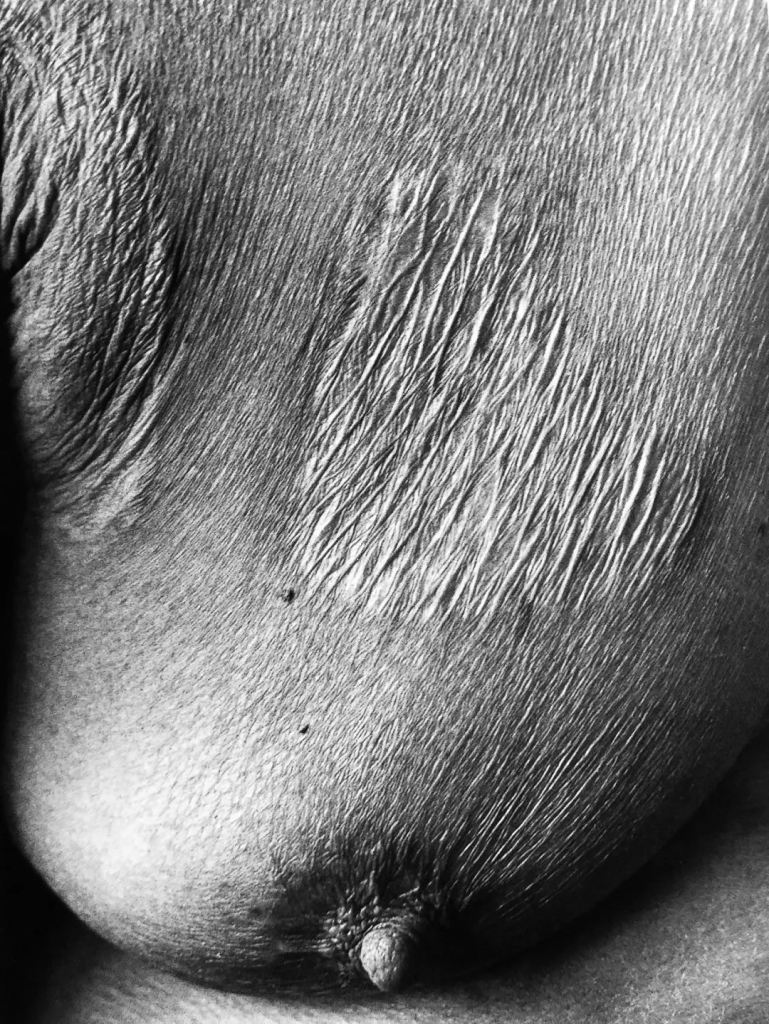
“My mother had a big fire mark on her body, and a hot pot of fried tempura oil poured on her body. I always wanted to take pictures of the scars on her, but I was always refused. It happened to be her 83rd birthday that day, and she asked me if I would take them. My mother’s birthday was in March that year, and she died of illness in December.” ——Miyako Ishiuchi
Miyako Ishiuchi《mother’s》
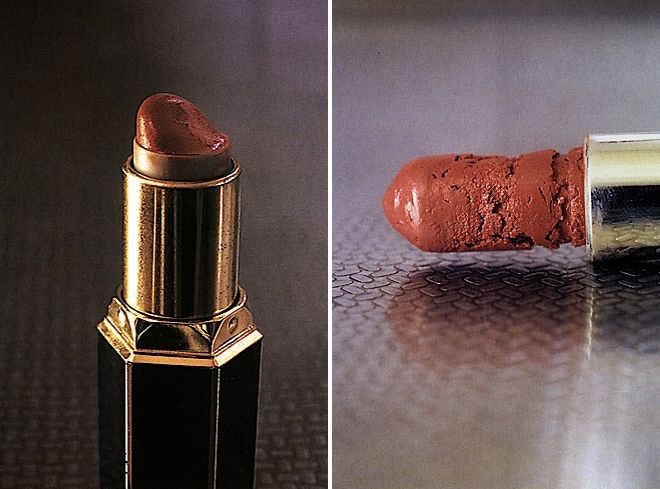
Before the mother died, their relationship was very bad, and she had not spoken for three years. After losing her mother, Miyako Ishiuchi, who had been closer to her father, began to regret it. Sadness has been alienated for many years, and it is impossible to get into any point on the timeline. It can only hover outside and surround all memories of the word “mother”. From these feelings for her mother, she began to take pictures of her mother’s relics, and wanted to use photography to touch the person who once gave birth to herself. In order to take pictures of her mother’s half-length lipstick, she never took only black and white film, and used a color film.
Miyako Ishiuchi《mother’s》
This makes me deeply sorrowful, the emotional memory is profound and complex. Out of love for his mother, Miyako Ishiuchi turned this memory into a visual image, which was recorded and preserved forever. And in my works, I can express my own emotions based on some emotional memories.
Emotional Memory and Emotional Expression in Photography.
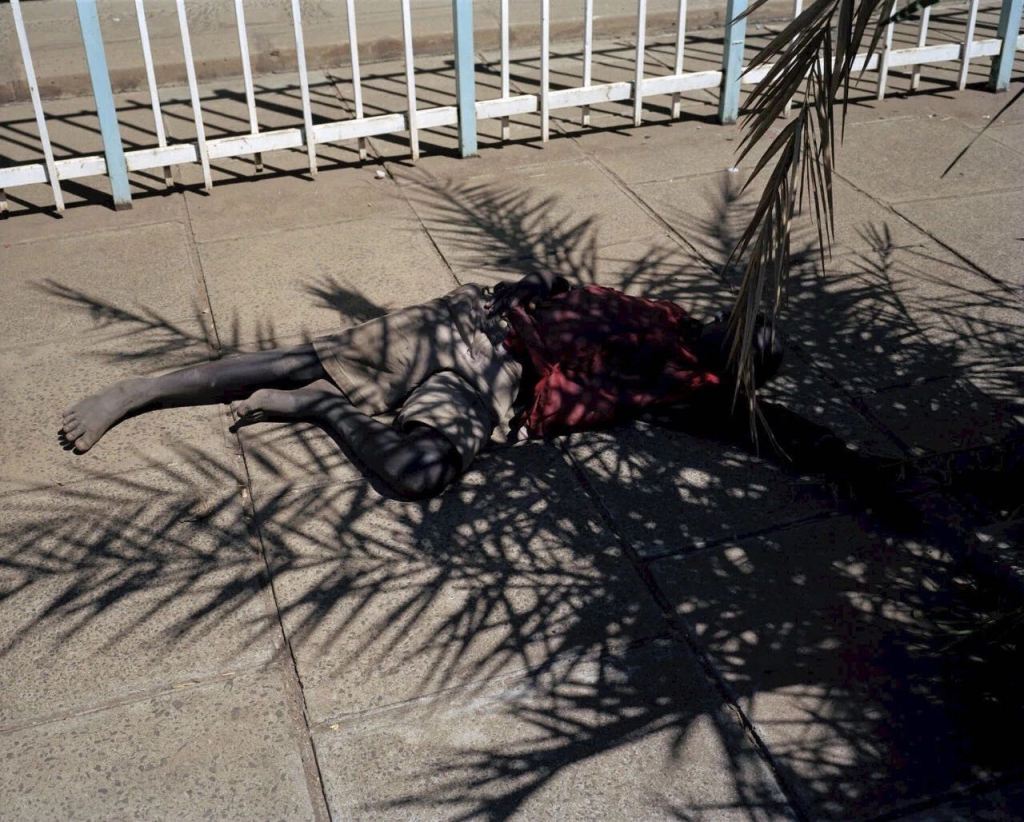
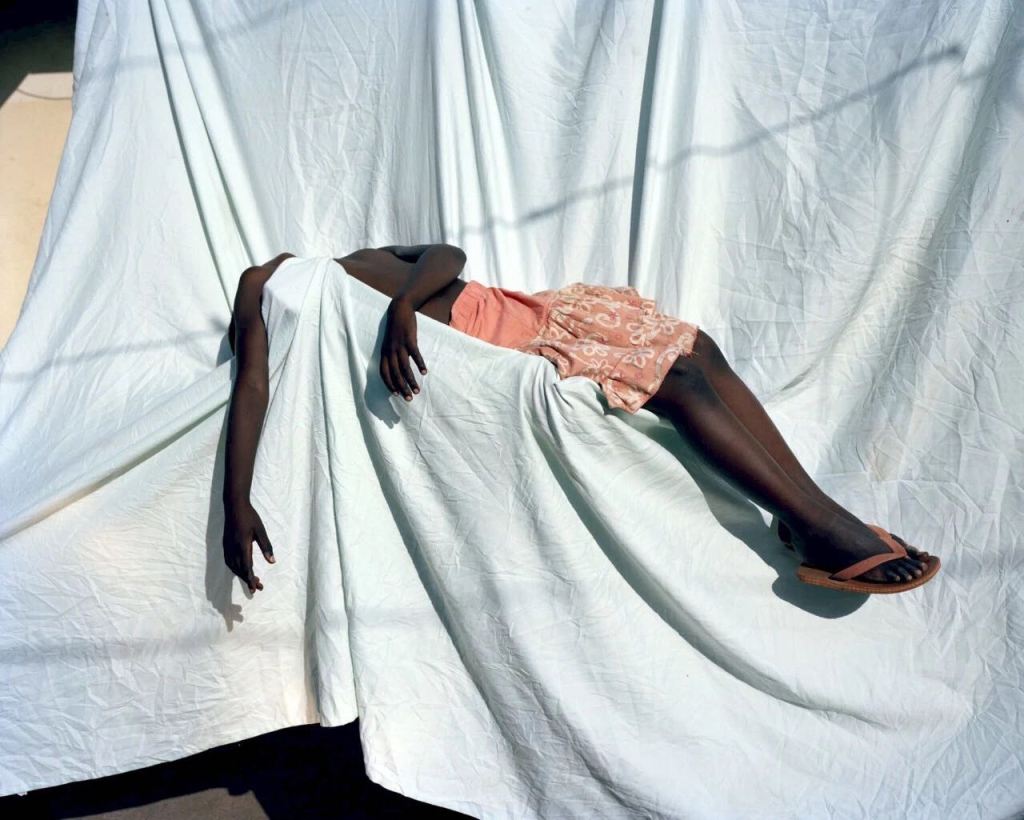
Vivian’s works have made me think deeply. Her works are based on her childhood memories in Africa. Can these special emotional experiences also be reflected in other photographers?
So I looked at other photographers, and I found that almost every photograph has a unique story that comes from their emotional or literary experiences. This made me interested in studying emotional memory and expression in photography.
About emotional memory:
The concept of “emotional memory” was first proposed in 1894 by French psychologist Ribot in his published article “the study of emotional memory”. Emotional memory refers to the process of perceiving an external stimulus when it causes a strong or profound emotional or emotional experience. Ribot argues that “emotional memory is the recovery of past emotions.” (Ribot, 1894)
Emotional memory is one of the important areas of emotion and memory research, which has a great correlation with individual growth, behavior, perception, belief, goals, and even self and mental health. Emotional memory is a deeply subconscious memory that most people cannot control. When certain specific situations or places appear, one’s emotions can’t help but rise, but oneself can’t helplessly fall into that emotion and suffer. In particular, some emotional memories of childhood have almost formed an automated, mechanical response, and it is even more difficult to handle it by themselves. Based on the above, I am more certain that emotional memory has an important impact on people. Photographers can also create emotionally rich works based on emotional memory.
Keith Payne, a psychologist at the University of North Carolina. He and his colleagues found that emotional memory is the hardest to forget, especially when it comes from visual cues. Zh Payne said that active oblivion is an adaptive manifestation. For example, people often forget misunderstandings, old phone numbers of friends, or meeting times before changes. Active forgetting helps the brain’s memory storage system to update new information. However, Payne and colleagues found in experiments that even mild and mild emotional memory events, such as poor test scores or criticism at work, are hard to forget.
Payne believes that the prerequisite for people to deliberately forget one thing is to be completely separated from the information related to the event. However, emotional factors in memory often disrupt this process. He said, “People’s emotional memories are associated with many parts of their lives when they are formed, so it is difficult to isolate them. Once people deliberately forget these memories, emotional factors will make it stand out and become more memorable . “
Research on Emotional Memory:
Labar, K. S., Cabeza, R. (2006). Cognitive neuroscience of emotional memory. Nature Reviews Neuroscience, 7, 54–64.
Schacter, D. (1999). The seven sins of memory: Insights from psychology and cognitive neuroscience. American Psychologist, 54(3), pp.182-203.
Ukpokolo, I. E. (2012). Memories in Photography and Rebirth: Toward a Psychosocial Therapy of the Metaphysics of Reincarnation Among Traditional Esan People of Southern Nigeria. Journal of Black Studies, 43(3), 289–302. https://doi.org/10.1177/0021934711419364
So I researched two other photographers that I was very interested in, they were Ishiuchi and Shomei Tomatsu.
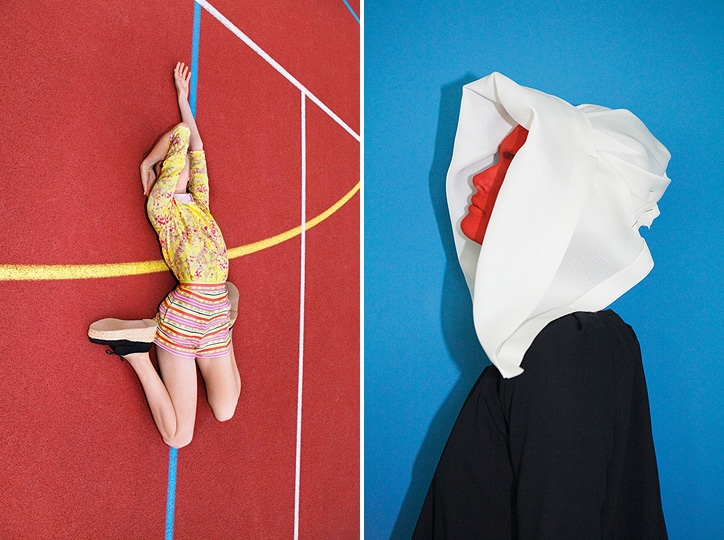
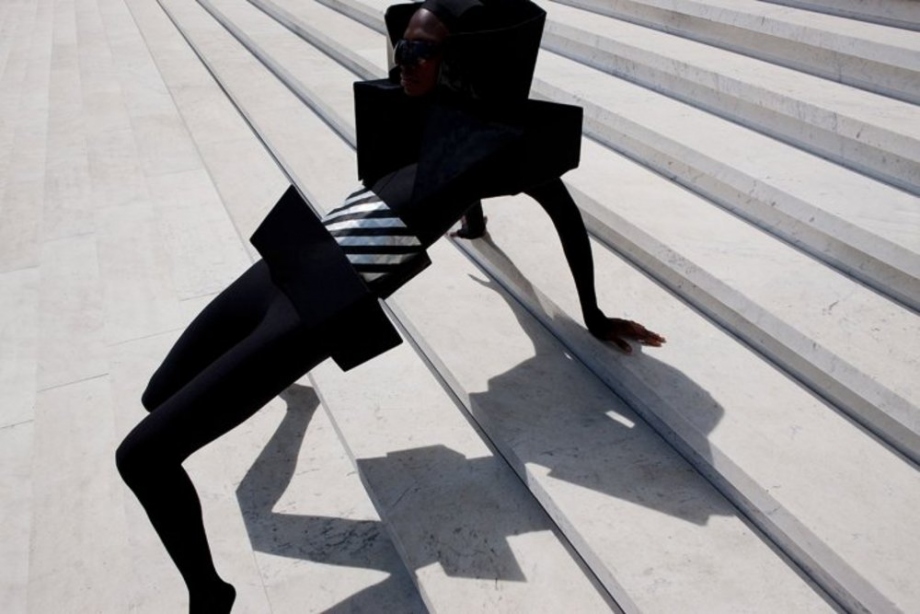
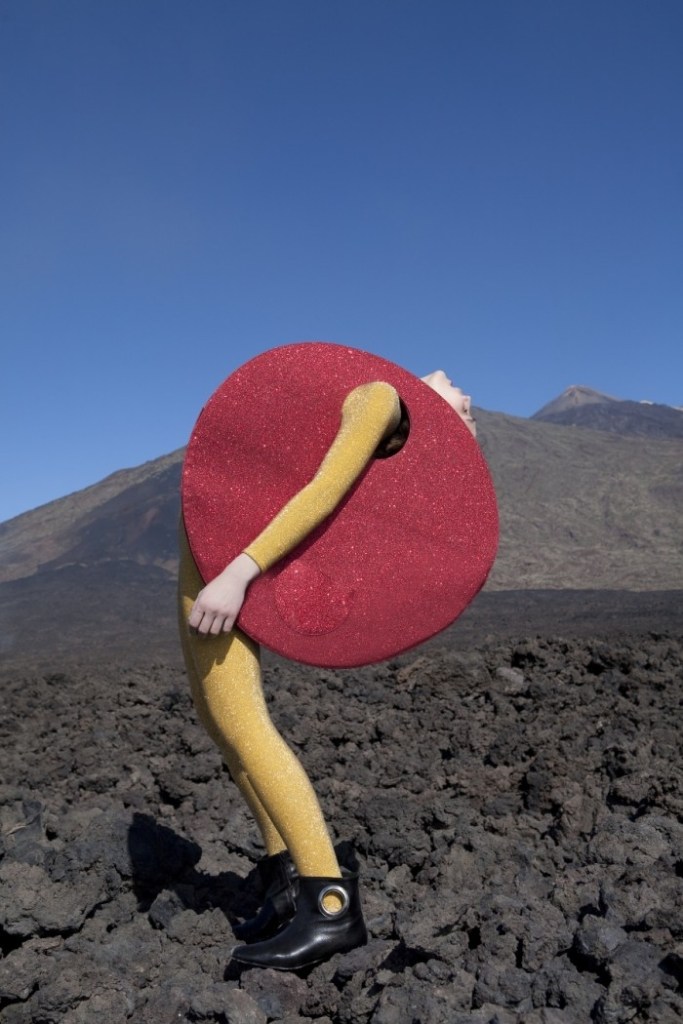
Her work is intense in color, fascinating in light and shadow, and her geometric composition is vivid. The most striking feature of the work is “the fascination in color”, the strong contrast between light and dark, reshaping memories and dreams by hiding characters behind branches, grass, clothes and more.
In and Out Fashion
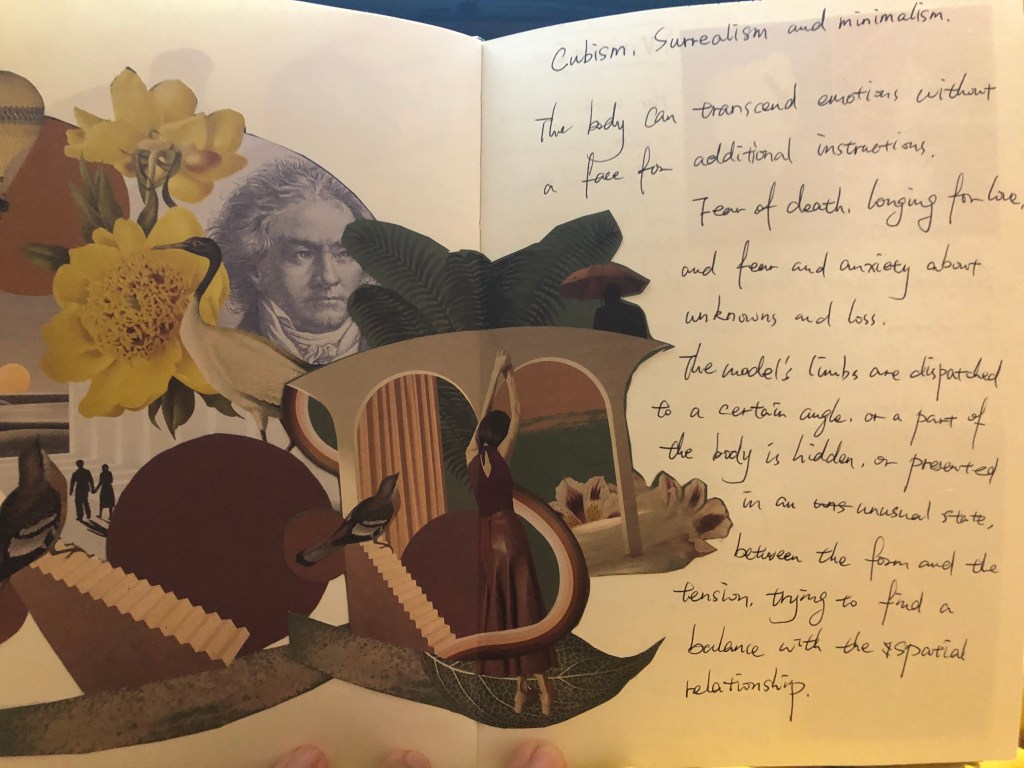
In Viviana’s two or three series, most of the photos will hide the model’s face, and only use the body to express something beyond the reality. Indeed, emotions can be revealed with the body alone, even beyond emotions, without the need to add a face to the bricks. Her work has super strong observability, because under the condition that her face is blocked, different people must look at the same piece of her work with different moods, and even have an unconscious and unconscious substitution. For example, I would think, what kind of person am I in? If I were her black model, what kind of pose would I pose to vent my emotions and desires hidden inside me?
At least in my opinion, her works can only be deepened in consciousness but not in words. The delicate emotions expressed by the body cannot be understood. Even if the color of the photo is richer and the characters are more prominent in the composition, the vent of emotion will always be in the dark of the photo.
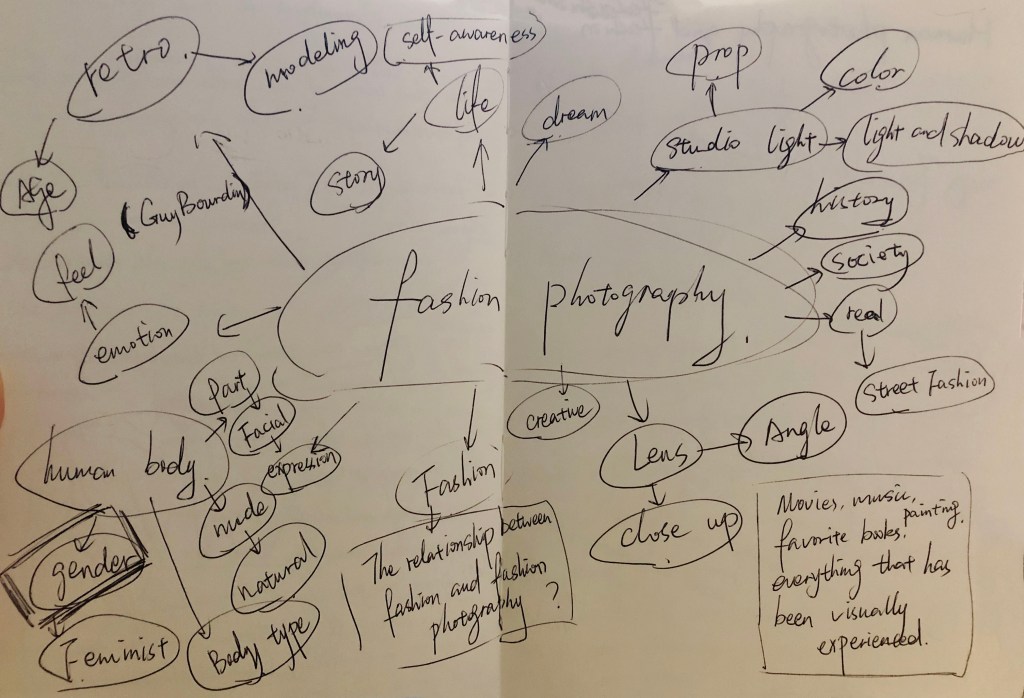
Before starting my one-year postgraduate study, I didn’t have a clear goal in the research direction of fashion photography, so I brainstormed and thought about all aspects related to fashion photography.
Figure 1 shows my brainstorming process.
Figure 1.I think of as many factors as possible in fashion photography
Therefore, through brainstorming, I summarized several important research directions.
Emotion
Retro style
Human body
Gender——Feminist
Light and color
Street Fashion
Aesthetic and History
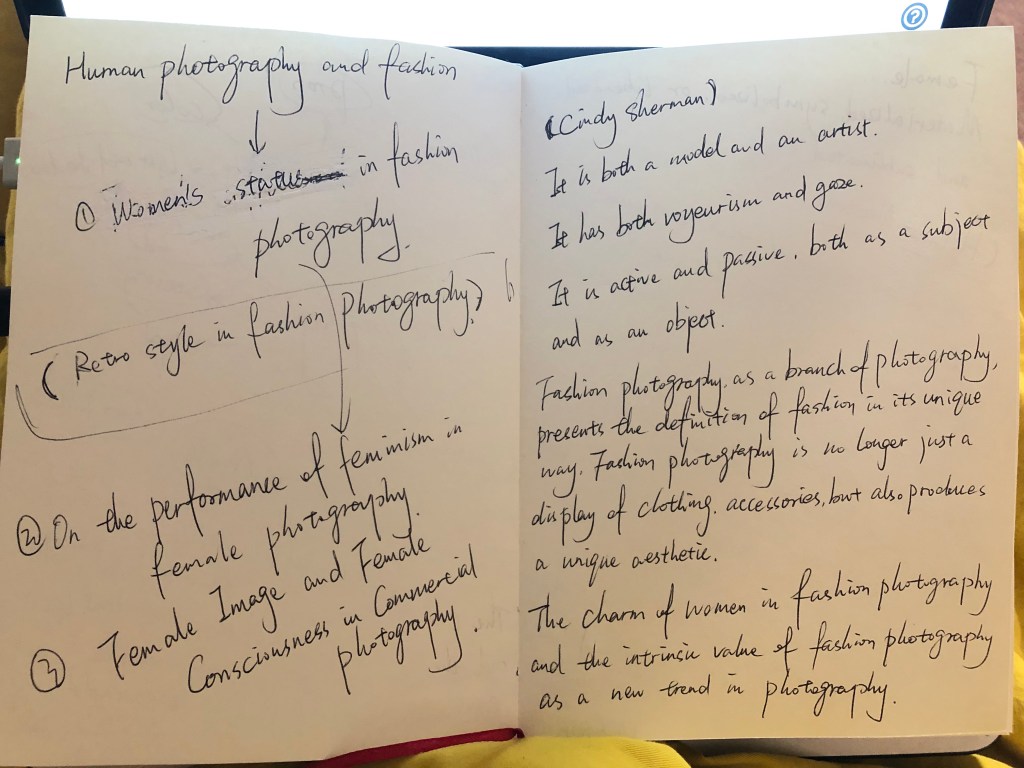
Then I did more specific research on the areas I was interested in. This includes multiple aspects.
For example, Figure 2 and Figure 3 show.
Figure 2 .Reflections on feminism in portrait photography and the definition of fashion photography.Figure 3
I also thought about the aesthetics of photography.
Photographic aesthetics is an important branch of photography and artistic aesthetics. It is a new subject based on photography and aesthetics to study beauty and aesthetic issues in photography.
When photography enters people’s lives, that is, the aesthetic relationship with human beings, aesthetics of photography comes into being. In the history of world photography, Ai Mosheng is recognized as the founder of photography aesthetics. Photography aesthetics is a basic task to study how to engage in the creation of photographic art and the relationship and interaction between the subject, object, ontology and receptor according to the laws of beauty. The specific contents include: the aesthetic essence and aesthetic characteristics of photographic art; photography art and reality The relationship between life and its image ingestion process; the relationship between photographic art and painting art; the form of photographic art; the development of photographic art and the photographic art concept, the genre and style of the process of change; the creation of photography art and The aesthetic character of photographic art; the aesthetic value and social function of photographic art; the psychological mechanism, process, characteristics, meaning and method of appreciation of photographic art.
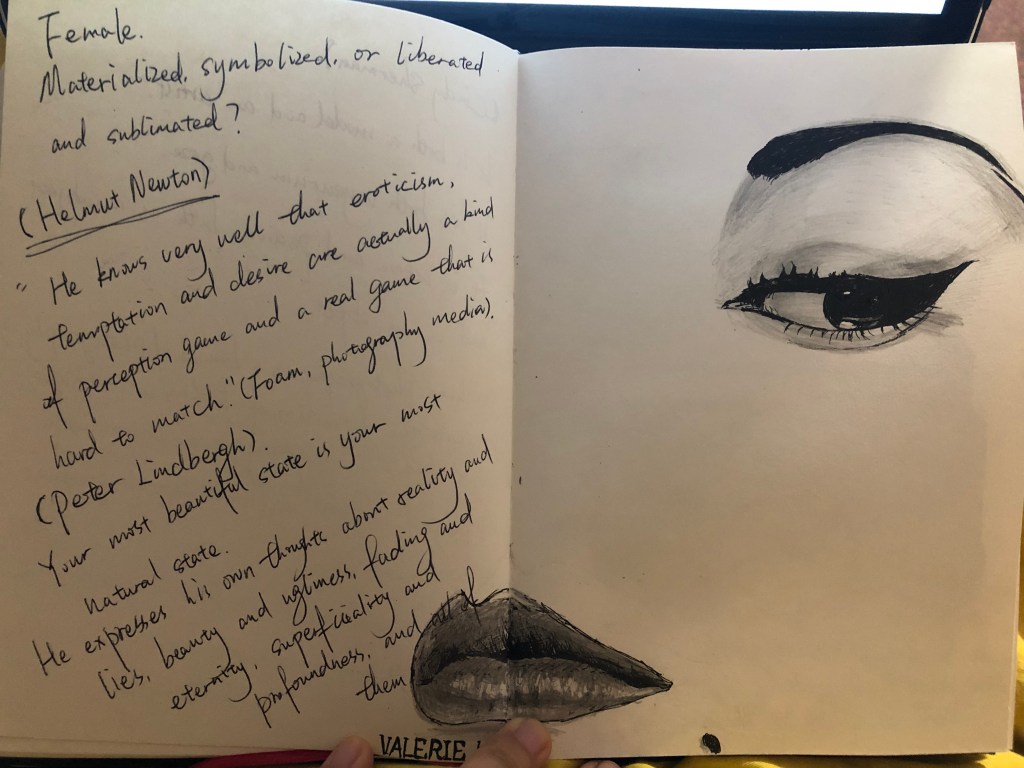
Regarding the connection between facial and emotional expression in photography, whether the face of a person affects the content expressed in the whole picture.(Figure four)
Figure four. Personal opinion, the impact of the face in photography on the emotional expression of the entire picture.
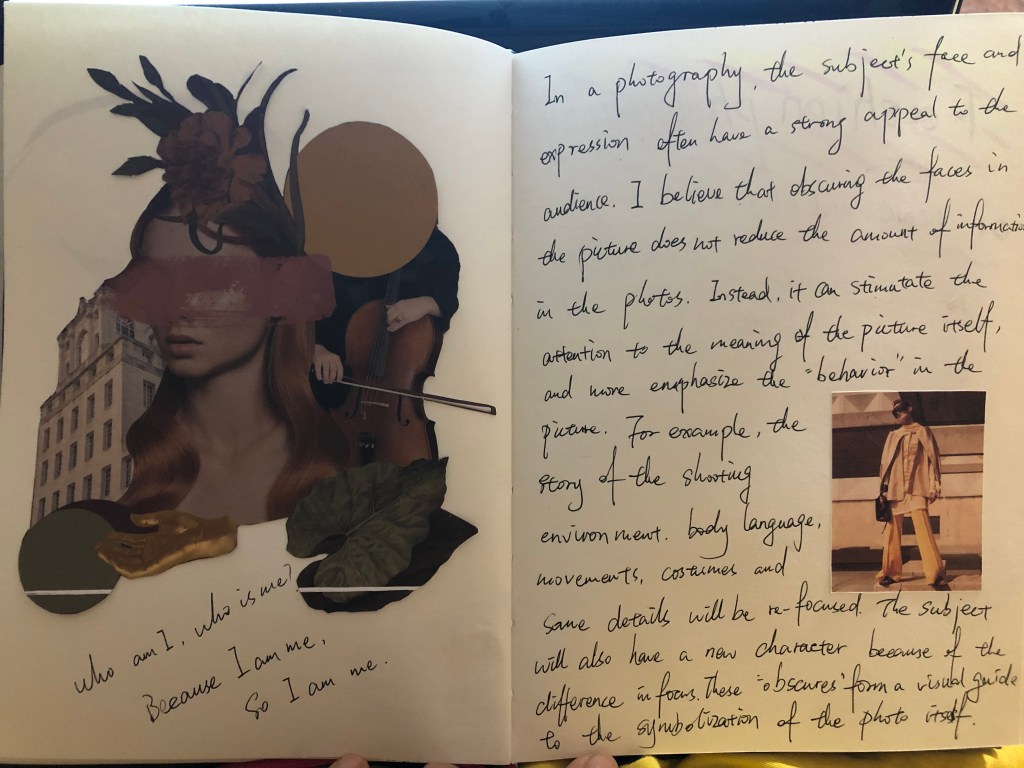
I think that in a picture, occluding the face does not reduce the information brought to us in the picture. On the contrary, it can make the viewer think about the whole picture, such as body language, environment, etc., and it can better highlight the meaning of the picture itself. So I researched this idea in more depth. (Figure five)
Figure five.
The first study was about the connection of the face to the whole picture.
I want to find an example to provide evidence for my statement. I collected information about photographers related to my research. Example: Ben Zank、Christopher Ryan McKenney、JunWei Sheng,etc. Among them, I found that Vivienne Sassen’s work shares a lot with what I want to study. She often hides her subjects behind tree branches, grass, corners of stairs, furniture, flying football, using strong light and dark contrasts to make them stand in the shadows, stand in front of high light backgrounds, or simply turn around. Then, she used one body to block the other, creating a ghostly double shadow, allowing the faceless body to talk and dance in the overlapping space. “Hidden” is an iconic style in Viviane’s work. In her work, more emphasis is placed on actions and behaviors than on the face.(For Vivienne Sasson’s research, I won’t explain too much here, and explain her work in more detail in other blogs.)
Based on the thinking of the face in the picture, it also caused me to think about new problems.Faces that are blocked in the picture are like a missing part of the picture, just like those fuzzy memories. When we look at photos and look back at what happened in the past, we can only remember part of the event, such as the general process of the event, one or more people in the scene, or some general location. But many of these details are missing, and we automatically filter out content that we don’t consider important. But does that content also have some residual value? So I conducted another experimental study.
Memory and Surplus value.
About leftover images and memories.
I noticed some details in the darkroom, some leftover negatives. Most of them are discarded due to people’s mistakes in shooting or processing errors, and people’s emotions and memories are also discarded. These discarded negatives are like human memories. When we recall the past, even if we are very Force, still can not fully recall all the memories, and finally the memory eventually fades into the last impressions over time. In the end we can remember that it may be the remaining part or it may be completely invalid. Faced with these, we can only do nothing.
I want to scan these “missing” images for observation, which may be another language of images, in order to explore their residual value.
Conclusion (thus far)
I determined that the general direction I wanted to study was about the effect of the face on the picture and the memory and residual value. But I don’t think this is the final research direction, but only as part of the research. Next, I will delve into related artists and their works in order to provide sufficient evidence for my research.
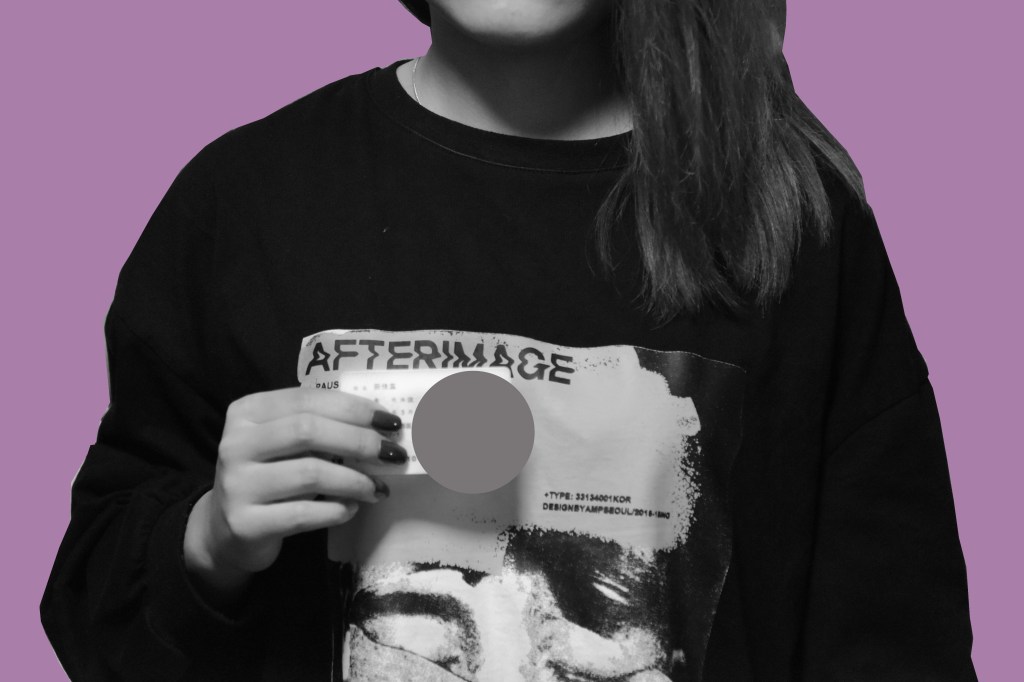
In a photograph, the subject’s face and expression often have a strong appeal to the audience. I believe that obscuring the faces in the picture does not reduce the amount of information in the photos. Instead, it can stimulate the attention to the meaning of the picture itself, and more emphasize the “behavior” in the picture. For example, the story of the shooting environment, body language, movements, costumes and some details will be re-focused. The subject will also have a new character because of the difference in focus. These “obscures” form a visual guide to the symbolization of the photo itself.
Based on this point of view, I will create a set of works. Express a little bit of my feelings through this group of works.
Who am I, who is who, who is me?ceremonyLow headCrossingWandererdialogue
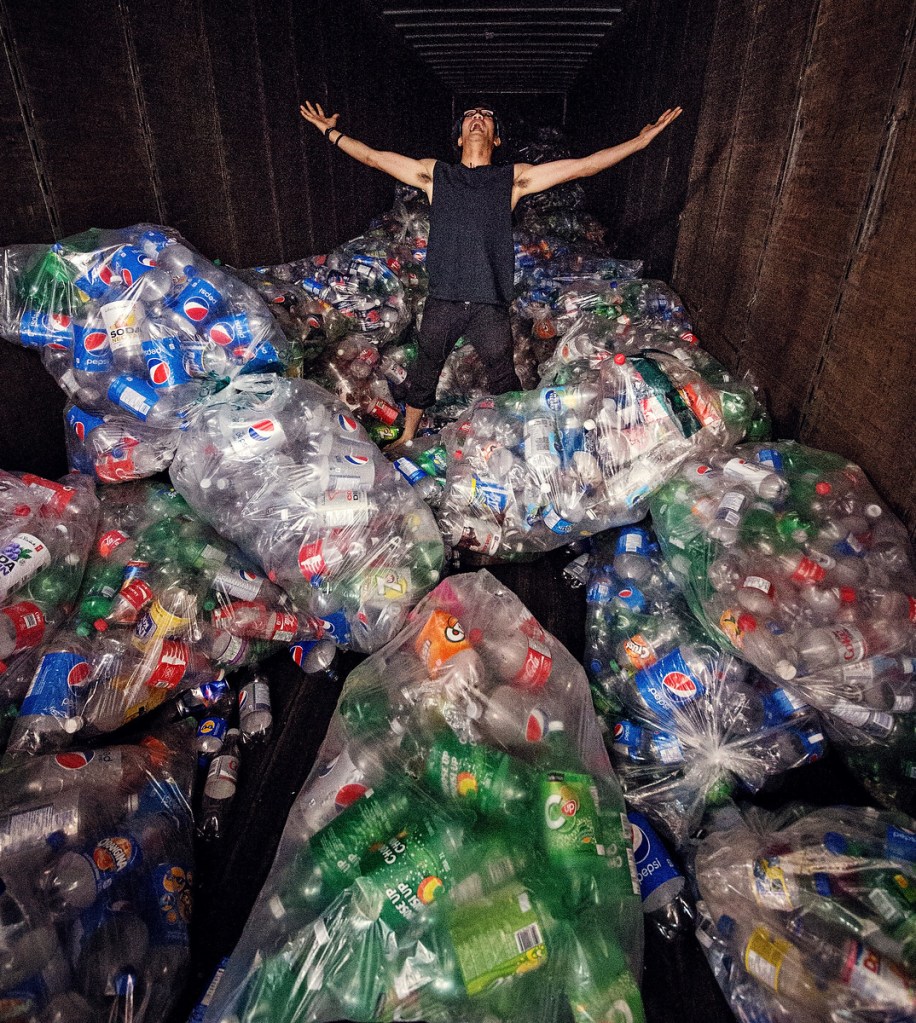
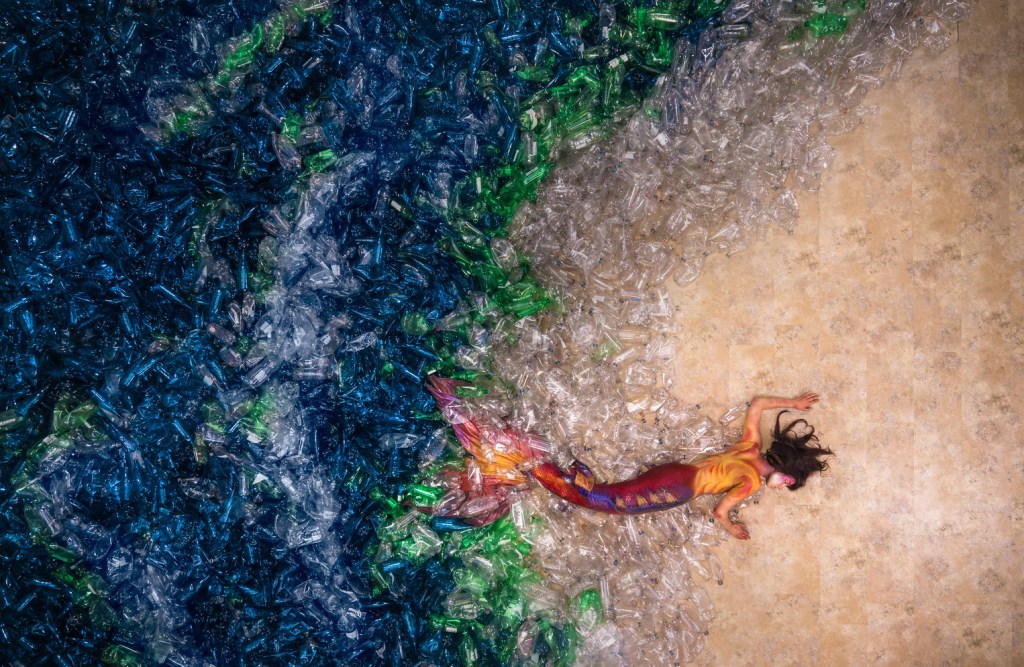
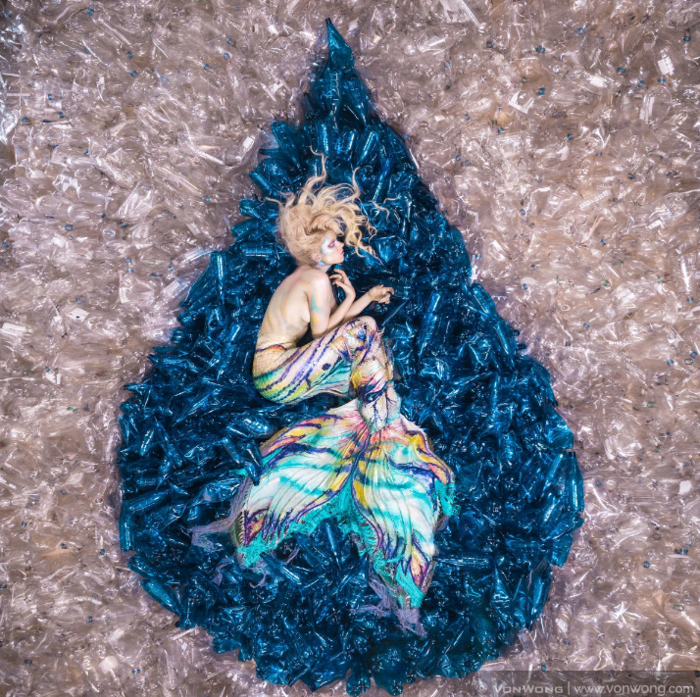
He is a Canadian artist, activist, and photographer best known for his environmental art installations and hyper-realist art style. He has created many photos of issues related to marine pollution and environmental protection. For example, he shot a group of works——a mermaid laid in 10,000 plastic bottles. He hopes to use this group of works to raise awareness of plastic pollution. And an anti-coal mining project characterized by humans collecting oxygen in the shadow of mining excavators, while the smoke bombs are filled with large amounts of smoke.In my paper, I also quoted his art project on environmental protection.
Mermaid lying on the beach with plastic bottles
It can take up to 60 years for a person to use (and throw away) 10,000 plastic bottles. His group of photos shows a person’s life symbol, the impact on all marine life and impressed in my brain, making me aware of the “hard” and “viral” of plastic pollution.
Mermaid lying on the beach with plastic bottles
He believes that photographers are a problem-solver and that understanding this role requires preparing as thoroughly as possible and solving as many problems as possible. He created a fantastic visual world through photography and then posted it on his website so that people could watch the process of his creation. Also as a photographer, I hope that my work will also allow people to look at things in different ways and think about the world we live in different ways, and the only way to achieve these lofty goals is as Von Wong said——lead by example.
In my later shootings, I will also draw on his shooting techniques, shooting from a wider perspective to emphasize the background, and visually highlight the subject and organically integrate with the environment, and add more visual elements.
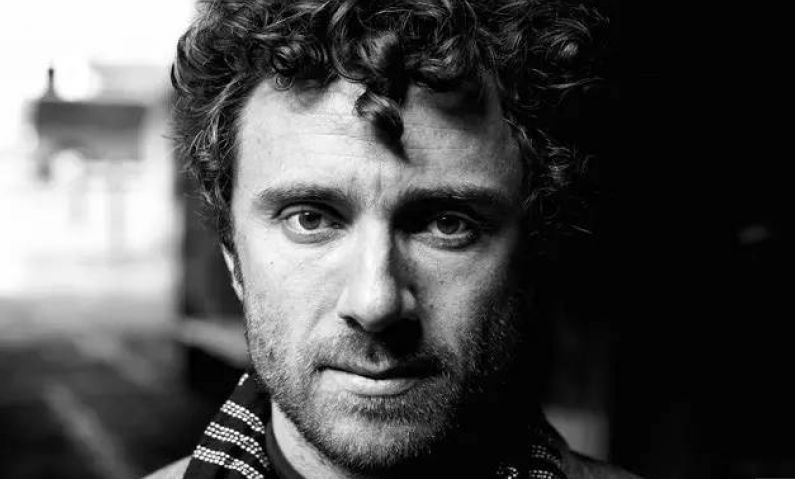
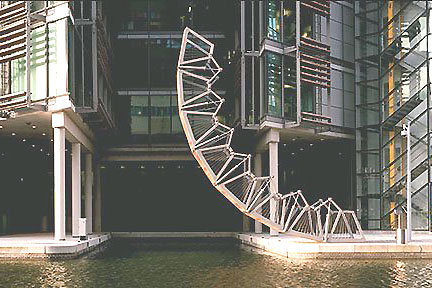
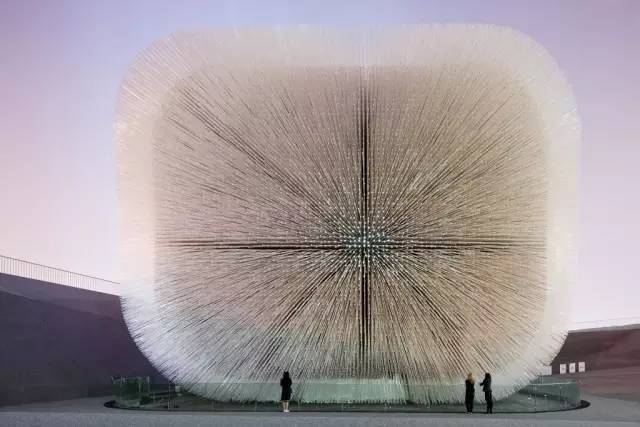
He is hailed as “the most creative contemporary talent in the UK”, “Da Vinci in the architectural world”, “the subversive in today’s world”, he is Thomas Heatherwick. When I saw his works “Dandelion” and “The Rolling Bridge” in class, I was deeply attracted by his creativity and talent.
His mother is a jeweler who likes to make some exquisite earrings and jewelry, which has a profound impact on his design style.His work always has an ability that is unforgettable.When I saw “The Rolling Bridge” he designed, I couldn’t help but sigh that the original design can still have such innovation.The bridge subverts the definition of a bridge in a traditional design. The bridge is not only straight, it can be bent into an octagon. This unique and user-friendly design saves space and adds a lot of fun to the city.
The Rolling Bridge(2002)
The design of “Dandelion” gives a subtle and low-key feeling in appearance. The concept of environmental awareness of the “Seed Temple” and the concept of natural species protection of “Seed Bank” left a deep impression on me. One end of the acrylic rod on the building sways with the wind, and the other end is connected with 66,000 seeds. The shape of his dandelion is inspired by the “hair” in the toys of childhood.
Dandelion (2010)
Watching his design works gave me a lot of inspiration. For example, in terms of lighting, I can be more daring, and create some unexpected works with a combination of various photographic lamps.In the future study life, I will also think about the problem with flexible thinking like him.
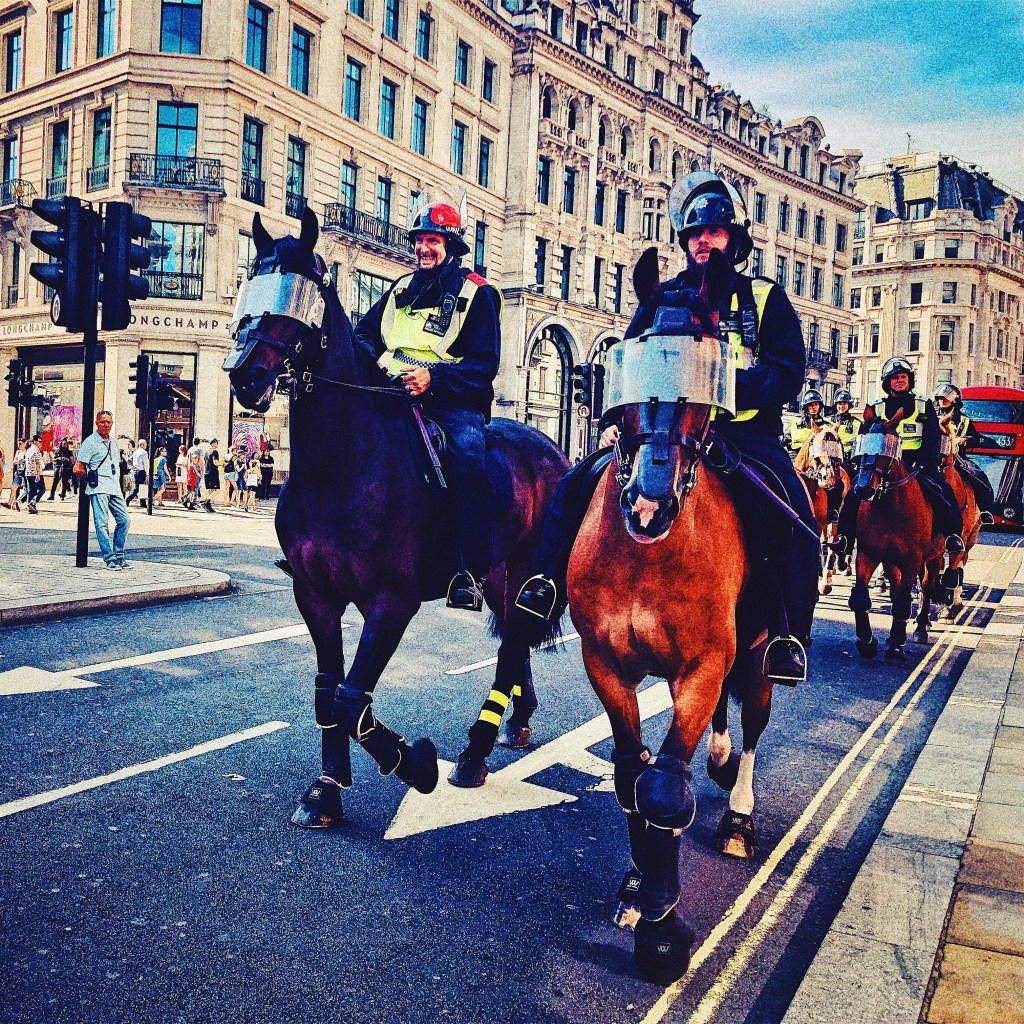
This is my first trip to London, the people on the streets, art, and architecture make up the unique art space on the south bank of the Thames. Even if I just sit by the river drinking beer, sunbathing, blowing the wind, listening to the music sung by street artists, I can also spend a romantic weekend. And you can walk across the Millennium Bridge to St. Paul’s Cathedral. On the bridge you can always enjoy the colorful landscapes and natural and cultural landscapes. Just like being wrapped in a lot of beautiful things, it is always refreshing.
The police patrol the streets on horseback
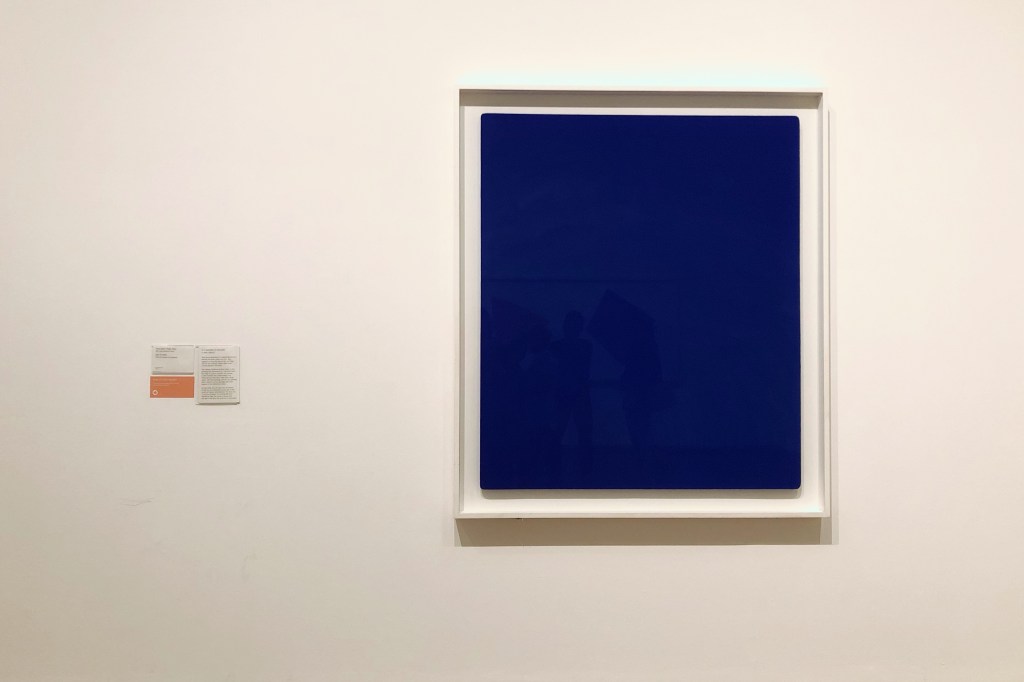
In just three days, Tate Modern Art left a deep impression on me.It can be said that I really like Tate, as soon as I entered the pavilion, I stared at Klein Blue of Yves Klein. It is an ideal blue and absolute blue, and its clear and empty space often makes me lost in it.
Klein Blue
Olafur Eliasson’s exhibition In real life is also fascinating to me.He is like a dreamer because he created everything that seems to only appear in his dreams…
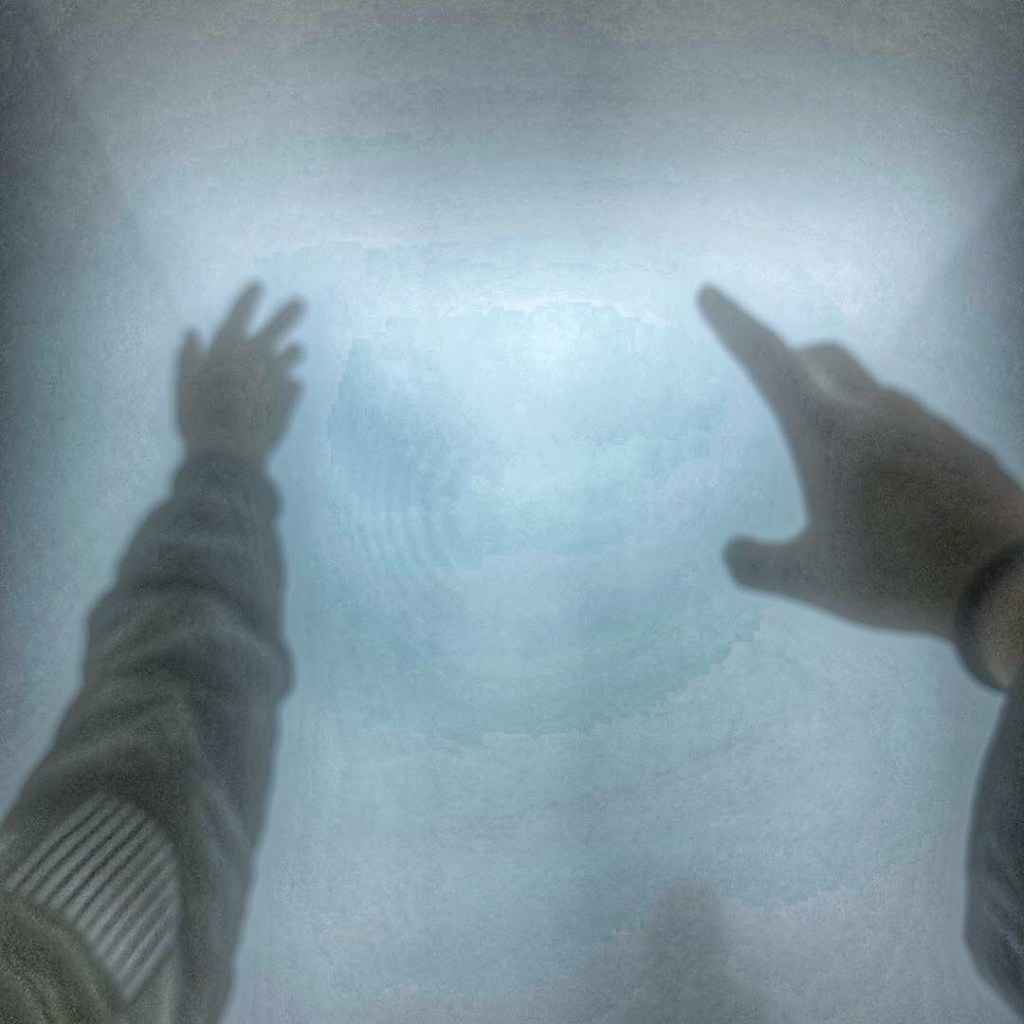
Olafur Eliasson-The weather project,2010
When I walked into his work Meteorological Plan, I felt like I was in the fog, I couldn’t see myself and everything here. He used a single-frequency lamp and fog to place the museum space in a surreal environment, conveying a warning of the destruction of the ecosystem.
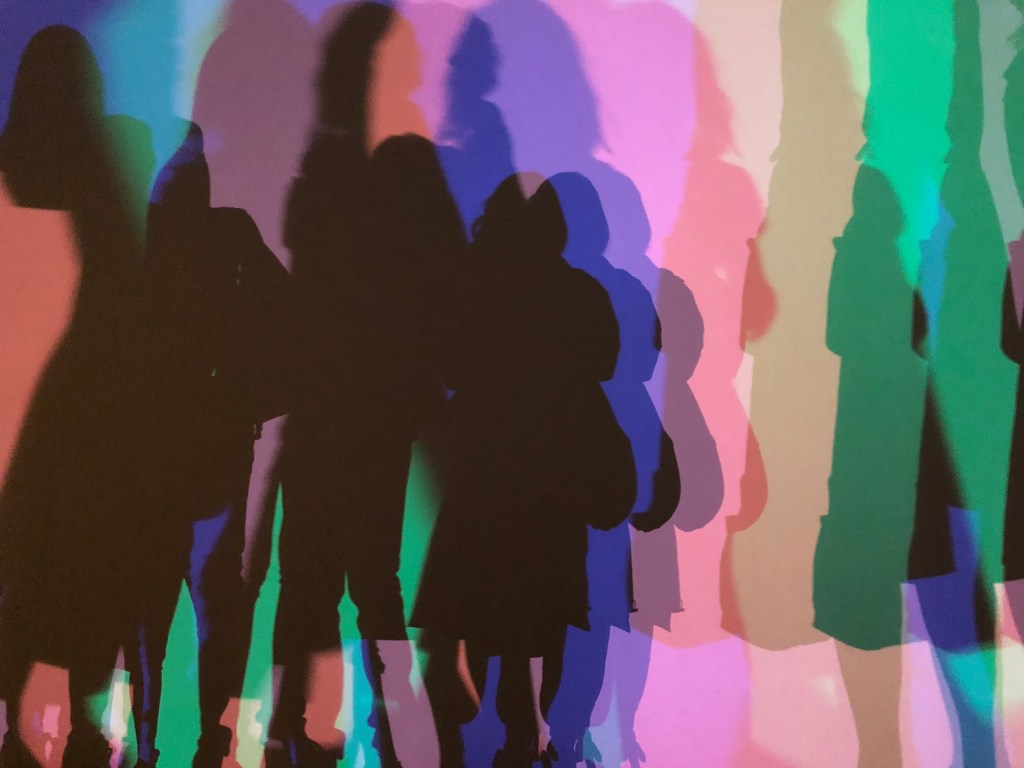
Olafur Eliasson – Your uncertain shadow (colour), 2010
Also in his other works, the strong visual impact of “light” gave me a lot of inspiration for photography. Photography is also about the art of “light”. In the future, I can try different light sources to create different shooting effects.
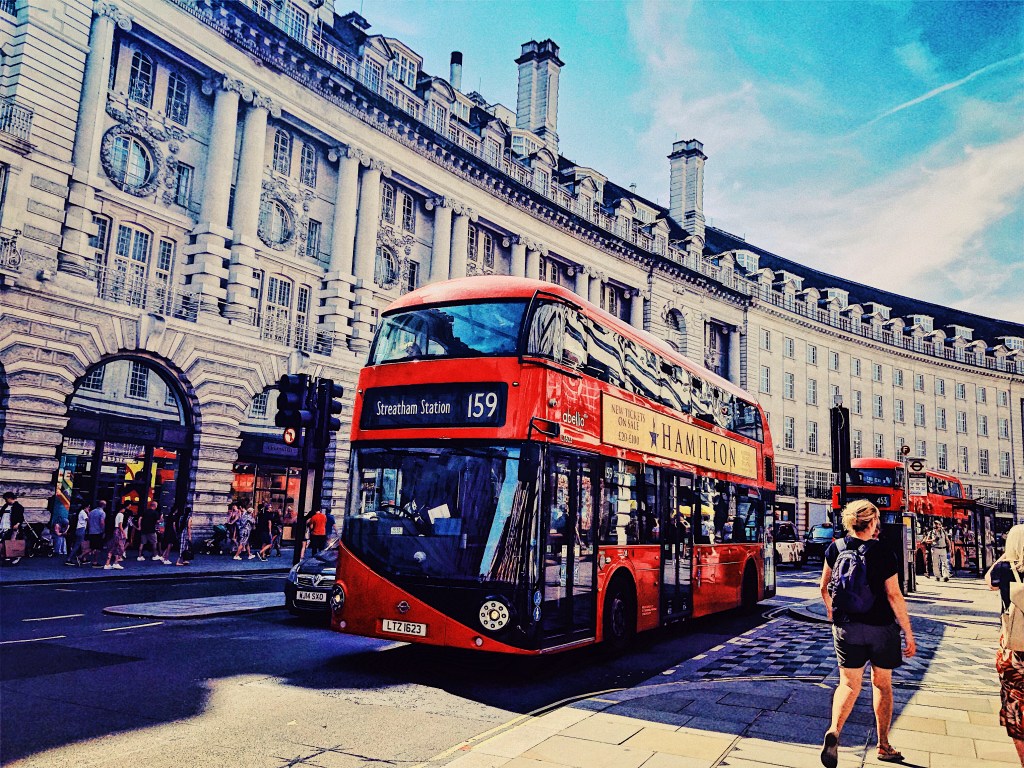
London’s transportation is very developed, and it is very convenient to transfer to the subway. I have already begun to look forward to the next trip to London……

 OUTLET IN NEW