Miyako Ishiuchi, she was a post-war photographer of Japan. She rose up in the 1960s and 1970s with Moriyama Avenue and Araki. She is the third master of the Hasselblad International Photography Awards in Japan and the first female photographer in Asia to receive the award.
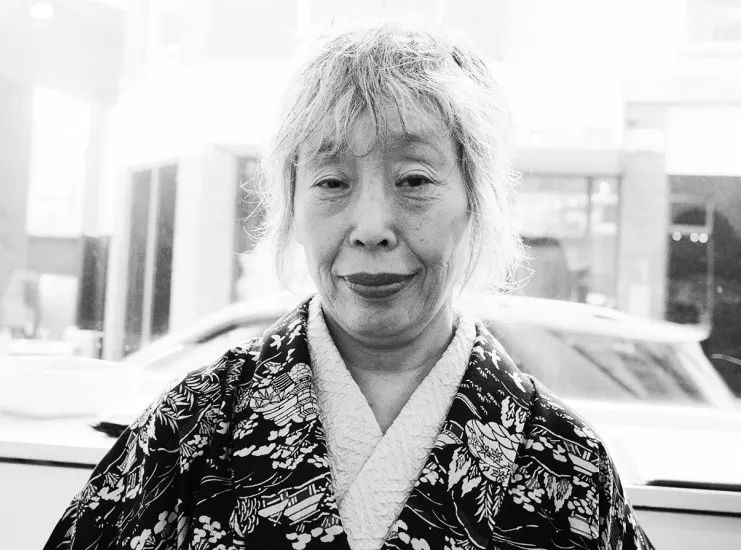
“When I saw the hands and feet of those people, I was very, very moved, whether the hands or the soles of the feet, are the end of the body, it can be said to be the ugliest part of the body, but it is also a full and strict In the place where time and the outside world breathe, the blisters and cocoons on the feet are the condensing point of time and history on that person. I just want to take a good look at these things that people don’t want to touch and see.”——Miyako Ishiuchi
When Miyako Ishiuchi was 40 years old, she started thinking about where time had gone. She realizes that there is time left on people’s hands and feet. So she photographed the hands and feet of 50 women of the same age as her 40. These photographed Japanese women have different occupations, but the same is that their vicissitudes of hands, feet, and faces all show signs of years. Miyako Ishiuchi thinks that the body is just a container that bears time. Unconsciously, it contains the traces of time.
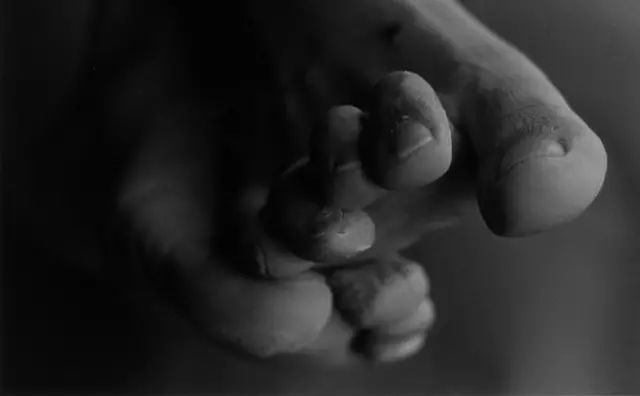
When I saw this group of photos, I was shocked. The delicate traces of human skin, including calluses and dead skin on the soles of the feet, have been magnified, full of the trajectory of life. I think these photos have the power to reverse the whole and the part and the beauty and the ugliness in an instant.
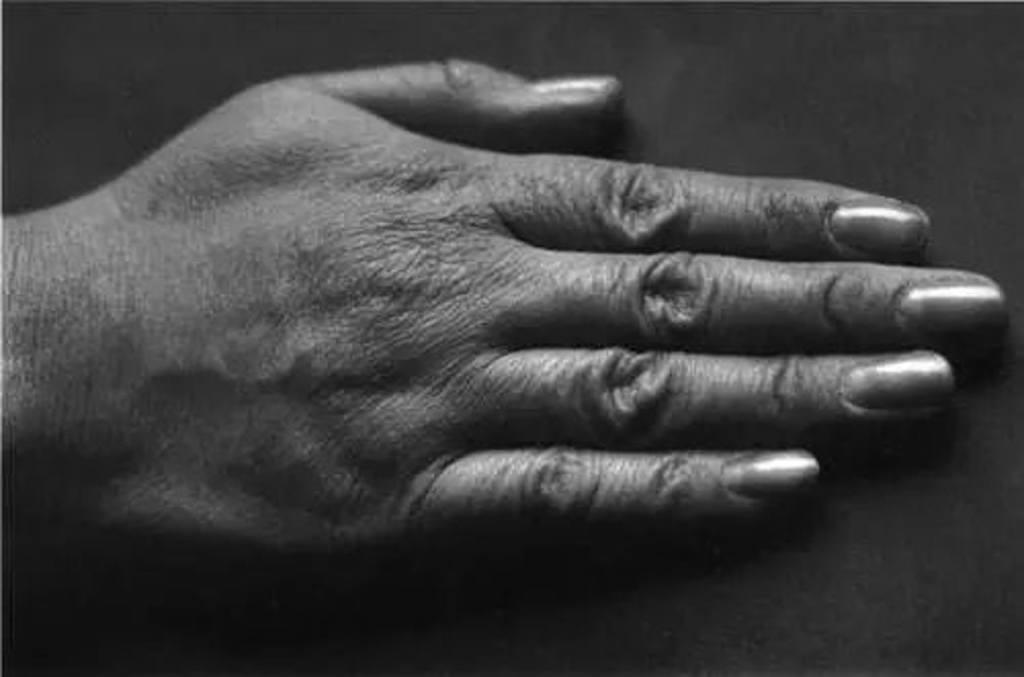
By watching the pictures she took, I began to think about my viewing relationship with others. As she said, human beings cannot see everything in the body. Even the self in a mirror or photo is just a virtual image of refraction. And when others look at you, parts of your body will be magnified infinitely. From a certain perspective, “others” may be able to see themselves more clearly.
Her other series also made me feel a lot, which is the “Mother’s” series.
“My mother had a big fire mark on her body, and a hot pot of fried tempura oil poured on her body. I always wanted to take pictures of the scars on her, but I was always refused. It happened to be her 83rd birthday that day, and she asked me if I would take them. My mother’s birthday was in March that year, and she died of illness in December.” ——Miyako Ishiuchi
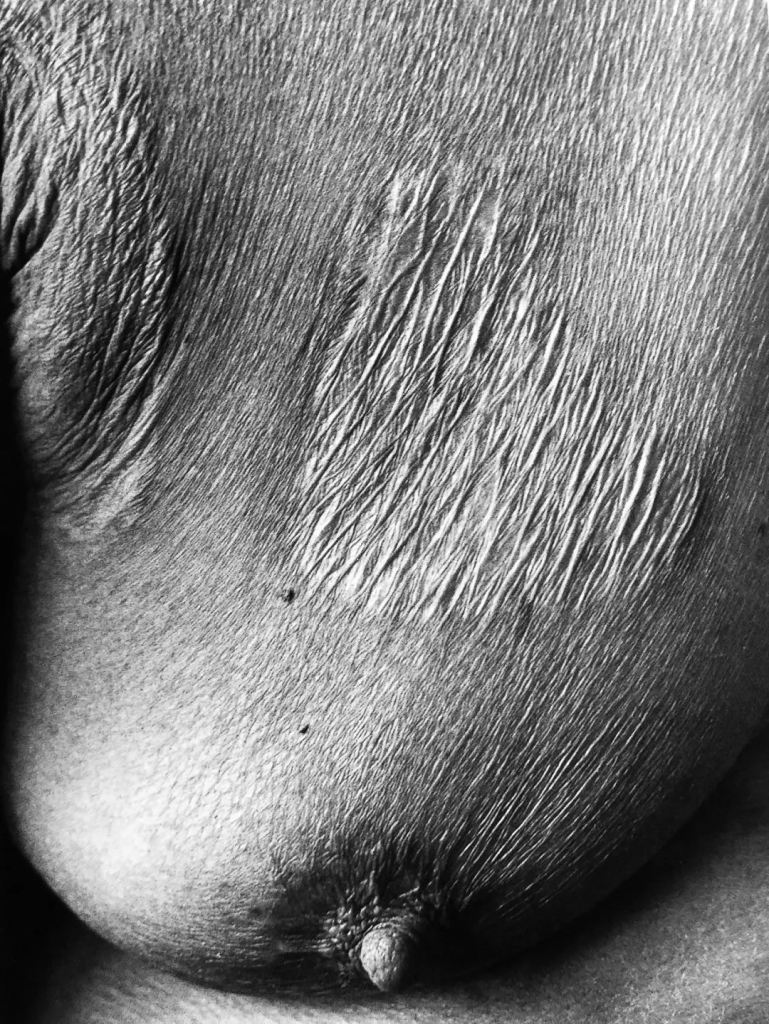
Before the mother died, their relationship was very bad, and she had not spoken for three years. After losing her mother, Miyako Ishiuchi, who had been closer to her father, began to regret it. Sadness has been alienated for many years, and it is impossible to get into any point on the timeline. It can only hover outside and surround all memories of the word “mother”. From these feelings for her mother, she began to take pictures of her mother’s relics, and wanted to use photography to touch the person who once gave birth to herself. In order to take pictures of her mother’s half-length lipstick, she never took only black and white film, and used a color film.
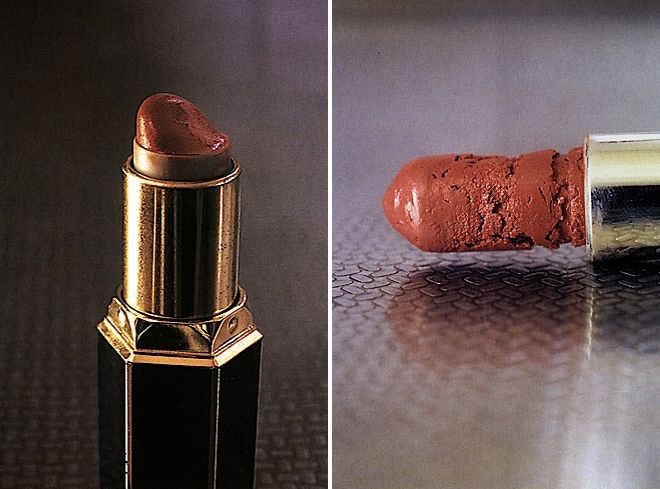
This makes me deeply sorrowful, the emotional memory is profound and complex. Out of love for his mother, Miyako Ishiuchi turned this memory into a visual image, which was recorded and preserved forever. And in my works, I can express my own emotions based on some emotional memories.
 OUTLET IN NEW